Grab The Afternoon Energy 5-day Reset!
THE FLOURISHED ROOT
Grab The Afternoon Reset for Tired Moms
THE FLOURISHED ROOT
God is in the details
Rebuild From the Inside Out—A Gentle Guide to Healing Your Gut
Your Gut Is Talking—Are You Listening?
You’ve tried the clean eating thing. Swapped your bread for gluten-free, cut the dairy, added a probiotic, maybe even braved a celery juice phase. But the bloating keeps coming back. Your mood still swings out of nowhere. You wake up tired and go to bed wired—and no one seems to have a clear answer.
If you’re a mom in the thick of life—juggling meals, emotions, and maybe a million unanswered questions about your own body—it’s easy to wonder if feeling well is even possible.
Let me assure you: it is.
And one of the most powerful, overlooked places to begin? Your gut.
Gut health isn’t just about avoiding stomach aches or taking a probiotic here and there. It’s the foundation of your energy, your immune system, your mental clarity—even your hormones and sleep.
If your gut is out of balance, your whole body feels off rhythm. But the good news? You can repair it—and you don’t need to eliminate twenty foods or spend a fortune to start.
In this post, we’ll walk through:
- What gut health really means (and why it affects far more than digestion)
- How your gut and brain are connected—and what that means for your mood
- The subtle signs your gut might need healing
- How to support your gut by adding in nourishing nutrients (instead of focusing only on what to cut out)
- A gentle, research-backed repair protocol inspired by Dr. Jason Hawrelak—one of the leading experts in gut microbiome restoration
You don’t need a harsh reset. You need replenishment.
Let’s restore your gut—and your peace—from the inside out.
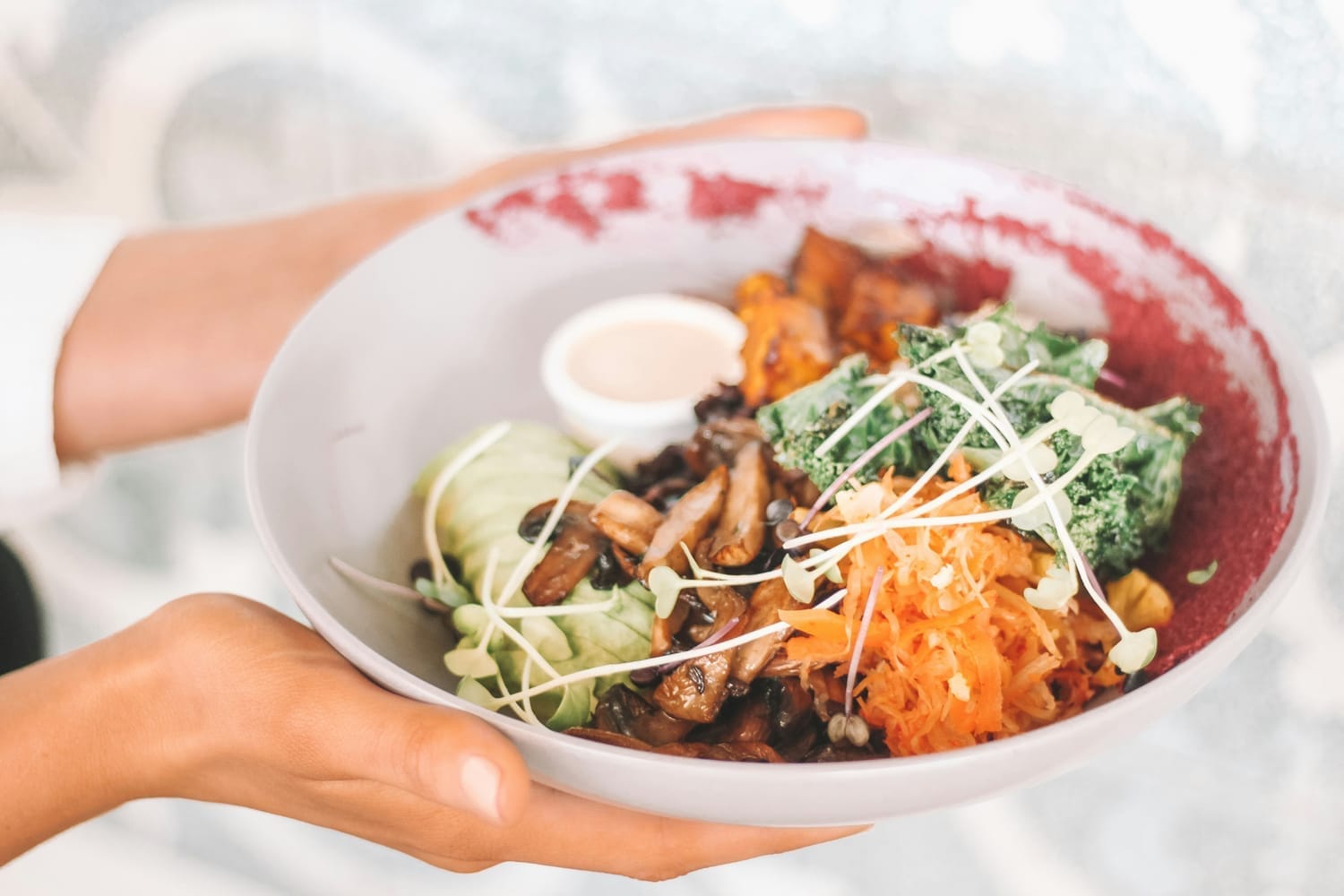
Gut Health—More Than Just Digestion
When most people think of “gut health,” they picture a calm stomach and regular trips to the bathroom. But your gut does so much more than digest food—it’s the central hub of your entire health ecosystem.
Inside your digestive tract lives a complex community of bacteria, fungi, and other microbes—what researchers call your microbiome. These microscopic helpers do everything from:
- Breaking down nutrients
- Protecting you from harmful pathogens
- Supporting your immune system
- Regulating inflammation
- Even producing neurotransmitters like serotonin (the “feel-good” hormone)
Dr. Jason Hawrelak, a leading expert in gut health and microbiome research, emphasizes that true gut health isn’t just about the absence of symptoms. It’s about having a diverse and resilient microbial environment—one that can adapt, repair, and support your body under stress.
“Diversity equals resilience,” Dr. Hawrelak teaches. Just like a thriving garden needs many types of plants to flourish, your gut needs a variety of beneficial bacteria to function at its best.
When the gut is well-nourished and balanced:
- You absorb nutrients more efficiently
- Your hormones stay in better rhythm
- Your immune system stays calm and wise
- Your mind feels clearer and your mood more stable
But when the gut is inflamed, depleted, or overrun with the wrong microbes, it can create a ripple effect—impacting everything from your skin to your sleep to your stress tolerance.
This is why many moms who struggle with fatigue, anxiety, bloating, or hormone imbalances often find the missing piece of the puzzle is right in their gut.
“Your gut is not just a tube—it’s a temple. And healing it is an act of nourishment, not punishment.”
The Gut-Brain Connection: When Your Belly Affects Your Brain
Ever had butterflies in your stomach before a big decision? Or felt your appetite disappear when anxiety hit? That’s the gut-brain connection in action.
Science now confirms what many of us have intuitively felt: your gut and brain are in constant conversation. They speak through a superhighway called the vagus nerve, which sends messages back and forth all day long—about stress, safety, inflammation, and even emotional regulation.
In fact, your gut is often called your “second brain.” It houses its own nervous system (the enteric nervous system), produces over 90% of your body’s serotonin, and directly impacts your mood, memory, and focus.
According to Dr. Jason Hawrelak, an imbalanced gut microbiome—especially one low in microbial diversity—can interfere with this gut-brain communication. His research highlights how gut dysbiosis (an imbalance of bacteria in the digestive tract) can:
- Increase feelings of anxiety or depression
- Disrupt sleep cycles
- Affect how your body handles stress
- Contribute to mood swings and brain fog
This isn’t just about digestion—it’s about how calm or chaotic your inner world feels.
“When your gut is calm, your mind can breathe. When your gut is inflamed, your body stays on high alert—even when life is quiet.”
The beautiful news? Restoring your gut can create ripple effects across your whole nervous system. You begin to feel calmer, think clearer, sleep deeper, and respond to stress with more grace than reactivity.
Is Your Gut Asking for Help?
Gut issues don’t always show up as stomach pain or digestive drama. In fact, for many women—especially busy, burnt-out moms—the signs are far more subtle. You might be chasing clarity, calm, or energy... when what your body is really asking for is gut support.
Here are some of the most common signs your gut might be out of balance:
- Bloating, gas, or irregular stools (constipation, diarrhea, or both)
- New or worsening food sensitivities
- Chronic fatigue, even after a full night’s sleep
- Anxiety, mood swings, or irritability
- Brain fog or forgetfulness
- Skin issues like eczema, acne, or rashes
- PMS or hormone swings that seem to come out of nowhere
- Weakened immunity—frequent colds, slow wound healing, or inflammation that lingers
If you’ve checked more than a couple of these boxes, your gut may be trying to wave a white flag.
“Symptoms are signals. They’re your body’s way of asking for help—not something to ignore, mask, or push through.”
Dr. Hawrelak teaches that one of the biggest contributors to these symptoms is gut microbial imbalance—especially a lack of beneficial bacteria and too many inflammatory or opportunistic strains. This imbalance can damage the gut lining, weaken the immune system, and disrupt hormone function—all without obvious “gut” symptoms.
Your gut is like the soil of your internal garden. If the soil is dry, compacted, or full of weeds, it doesn’t matter what seeds you plant—they won’t grow well. But if you tend the soil—add nutrients, water, and the right microbes—things start to bloom again.
The same is true for your body. When you nourish your gut, you create space for healing everywhere else.
Healing Starts With Adding—Not Just Taking Away
Most gut-healing advice starts with a long list of what you can’t eat. No gluten. No dairy. No sugar. No fun.
But restriction without restoration is just more depletion.
And if you’re already running on empty, your body doesn’t need more rules—it needs more resources.
Dr. Jason Hawrelak’s research emphasizes a refreshing, evidence-based approach: focus on nourishment and microbial diversity over extreme elimination diets. Yes, there may be times for gentle removal of irritants—but the true transformation comes when you add in what your gut actually needs to thrive.
Here’s what that can look like:
🌿 Add Prebiotic-Rich Foods
These are the “fertilizer” for your good gut bugs. They help beneficial bacteria grow stronger and more abundant.
- Garlic and onions (if tolerated)
- Green bananas or green banana flour
- Jerusalem artichokes
- Asparagus, leeks, and dandelion greens
🧂 Add in Mineral Support
Your gut lining and nervous system need minerals like magnesium, sodium, and potassium to function properly. Without them, digestion stays sluggish and healing stalls.
- Add a pinch of sea salt to your water
- Cook with mineral-rich broths
- Enjoy potassium-rich foods like avocado, sweet potatoes, and coconut water
🦠 Add Probiotic Diversity (The Right Way)
Instead of grabbing the most expensive bottle on the shelf, look for specific strains supported by research.
- Lactobacillus plantarum – may help reduce bloating and gas
- Bifidobacterium infantis – shown to reduce inflammation
- Saccharomyces boulardii – may calm diarrhea or antibiotic-related issues
🧘♀️ Add Nervous System Support
Your gut can’t heal in a state of fight-or-flight.
- Gentle movement (like walking or stretching)
- Breathwork or prayer pauses
- A screen-free morning routine
“You don’t heal a body by starving it—you heal by nourishing it at the root.”
A Gentle Gut Repair Protocol (Inspired by Dr. Hawrelak)
Healing your gut isn’t about doing everything all at once—it’s about moving step by step, layering in support that rebuilds the structure and function of your inner terrain. This isn’t a harsh reset. It’s a sacred rebuild.
Below is a gentle, four-phase protocol inspired by the research and recommendations of Dr. Jason Hawrelak:
**Phase 1: Calm the Inflammation**
- L-glutamine – fuels gut lining repair
- Slippery elm & marshmallow root tea – soothes and coats
- Bone broth – gentle, mineral-rich nourishment
**Phase 2: Rebuild the Mucosal Barrier**
- Zinc carnosine – supports intestinal healing
- Aloe vera juice – calms and cools
- Collagen peptides – rebuilds tissue integrity
**Phase 3: Rebalance the Microbiome**
- Diverse plant fibers – aim for 20–30 types weekly
- Polyphenol-rich foods – blueberries, pomegranate, green tea
- Targeted probiotics – chosen based on symptoms and evidence
**Phase 4: Support Your Nervous System + Mineral Terrain**
- Magnesium glycinate – for nervous system calm
- Electrolyte-rich foods – coconut water, sea salt, root veggies
- Rhythmic habits – sleep, prayer, breathwork
“You don’t need to tackle all of this at once. Start where you are. Layer slowly. Trust that your body is capable of healing when it’s given the tools it needs.
Healing your gut isn’t a crash course—it’s a sacred rebuild. One step. One breath. One nourishing choice at a time.”
Rebuilding Isn’t Quick—But It’s Worth It
If you’ve been feeling off—foggy, bloated, anxious, or just not quite like yourself—know this: you’re not broken. You’re likely just depleted.
Your gut is one of the most powerful, overlooked systems in your body. When it’s out of rhythm, everything feels harder. But when you begin to nourish it, everything starts to shift.
Healing doesn’t have to mean harsh cleanses or endless restriction. In fact, the most effective gut-healing protocols are gentle, grounded, and deeply replenishing—like the ones inspired by Dr. Jason Hawrelak.
“You don’t need another protocol that burns you out. You need rhythms of restoration that rebuild you from the inside out.”
**Ready to Take the Next Step?**
👉 Start Small with My Free Mineral Recharge Challenge
This simple, step-by-step challenge will help you restore your foundational minerals—so your gut and nervous system can begin healing from the ground up.
📩 CLICK HERE
👉 Work with Me 1:1 Through HTMA Testing + a Personalized Protocol
If you're ready to stop guessing and start healing at the root, I’d love to guide you through my in-depth wellness process using hair tissue mineral analysis.
💻WORK WITH ME
You were never meant to live in survival mode.
Let’s rebuild—gently, intentionally, and with grace.
REFERENCES:
Probiotic Advisor – a professional resource by Dr. Hawrelak to help choose evidence-based probiotics based on condition
https://www.probioticadvisor.com (membership required for full access, but foundational info is available)
“The importance of microbial diversity in gut health” – International Journal of Molecular Sciences (2022)
https://www.ncbi.nlm.nih.gov/pmc/articles/PMC9307823/
“Microbiome–gut–brain axis and its effect on mental health” – The Lancet
https://www.thelancet.com/journals/landig/article/PIIS2589-7500(19)30054-3/fulltext
“Role of Prebiotics and Probiotics in Gut Health” – Nutrients Journal
https://www.ncbi.nlm.nih.gov/pmc/articles/PMC9776643/
“Electrolytes and gut function: essential roles in hydration, digestion, and nervous system regulation” – American Journal of Clinical Nutrition
https://academic.oup.com/ajcn/article/89/2/500S/4596951
Keep Reading
THE FLOURISHED ROOT
Come Hangout!


© 2025-2026 The Flourished Root
All rights reserved